
Carbon Fibre Hand Laminating Kit

Entry-level carbon fibre laminating kit designed for all users.

Each kit comes with the necessary materials and tools needed to make carbon fibre composites. The epoxy resin used here has been chemically engineered for use in laminating practices. 

So if you’re an experienced laminator or a complete beginner looking to make your first carbon product, this is for you.

Price range: £26.49 through £46.95

Send to a Friend

Description

Easy to use carbon fibre laminating kit. Includes an epoxy resin system with carbon fibre reinforcement to help generate high-quality composites.

High quality and versatile, this kit is designed to help users test carbon fibre products, make carbon fibre prototypes, add reinforcement to existing structures and implement repairs to existing structures. 
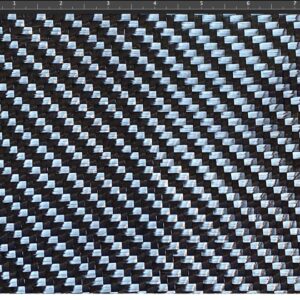
Applications

This carbon fibre laminating kit is intended for the  creation carbon fibre parts and components.

Parts can be cured at room temperature or using a vacuum bag.

This kit is intended for all users, from entry level through to experienced. It contains professional, industry-standard materials.

Applications

Recommended applications include, but are not limited to:

  • Product reinforcement: protect existing structures and surfaces with a carbon fibre layer.
  • Carbon fibre repairs: use this kit (or our carbon fibre repair kit) to make repairs to damaged structures like canoes, dinghy and yacht hulls, masts and booms, vehicle spoilers and bumpers, and fishing rods.
  • Fabricate experimental carbon fibre prototypes
  • Experiment and learn how to make carbon fibre products

Downloads

Carbon Fibre Hand Laminating Kit Manual_1.1

Expoxy resin: TDS EP 5752

Epoxy hardener: TDS EP 5752 – H105

PVA release agent: PVA release agent SDS

FAQs

Q. How long does it take to create a hand-laminated carbon fibre part?

A. The laminating process involves the saturation of dry carbon fibre fabric in epoxy resin. This process requires a brush or laminating roller to drive out air bubbles and force resin into the carbon cloth. 

Some of the key factors influencing the time it takes to create a hand laminate from carbon fibre include:

+ Laminator skillset: experienced laminators are more efficient and quicker
+ Number of layers of carbon fibre ply
+ Thickness of carbon fibre fabric (thicker cloth requires more thorough laminating)
+ Epoxy resin curing rate (influenced by hardener speed and concentration)
+ Curing temperature (ambient is recommended at 18 – 23 oC)
+ Complexity of the part: more irregular shapes are harder to laminate than flat, regular ones since they require careful positioning of the carbon fibre
+ Refinement and aesthetics: once the carbon part has cured, edge detailing, sanding and painting may need to be performed to tidy it up

Q. How sustainable and environmentally friendly is carbon fibre versus fibreglass?

A. Carbon fibre has the potential to be more sustainable than fibreglass, owing to a greater strength-to-weight ratio. However, fibreglass generally outshines  in terms of sustainability due to its use of abundant silica and recycled glass, requiring less energy to produce than carbon fibre. Both are durable and it depends on the context for use: how will exposure to a demanding environment impact lifetime? Fibreglass resists corrosion, while carbon fibre has an extremely high strength-to-weight ratio, which boosts efficiency in applications like aerospace and automotive industries. That said, recycling is tough for both, with fibreglass slightly more reusable. 

Getting Started

There are many different techniques used to create carbon fibre. The section below provides a basic outline for prospective users intending to create a carbon fibre part or component using a mould and a hand-laid approach.

Note: please consult our guide (available in the Downloads tab) for a more detailed approach.

For this kit, it is recommended that users cover the carbon-facing surface of a mould (typically fibreglass) in a thin, uniform layer of PVA release agent. This PVA is supplied as part of the kit. It will prevent the resin from sticking to the mould. 

Then, coat the PVA-coated mould surface with a layer of epoxy resin-hardener mixture. Allow to cure for 6 – 12 hours depending on ambient temperature. This forms a protective barrier between the carbon fibre reinforcement (yet to be applied) and the mould surface. It enables users to create a polished, consistent finish.

Carbon fibre cloth can then be cut and manually applied to the dry mould surface. It is advisable to use a slightly larger surface area of cloth (approximately 5-10 cm above or 10% larger). 

Next, prepare sufficient resin to saturate the carbon fibre cloth and correctly position it. It is important to use the correct amount of resin-to-hardener ratio (detailed in the instructions), to appropriately ‘wet out’ the cloth and to apply the resin mixture within a short period of time. 

If multiple layers of carbon fibre are being prepared, allow each successive layer to cure before applying a new one. Warping and shrinking may occur if the first layer is not allowed to cure properly. 

Once the final layer of carbon fibre has cured, remove it from the mould. It is now in a state where it can be trimmed and polished prior to inspection.

What Can I Expect?

Carbon fibre composites require a degree of skill and understanding. A higher level of planning, preparation and practice will lead to better results. 

When done correctly, the results can be impressive, with high strength-to-weight ratios, outstanding mechanical properties and sleek finishes.

We highly recommend users read and where possible watch videos important to follow the guidelines and instructions closely. Resin library also provides a series of Frequently Asked Questions (FAQs) to address some of the most common concerns as well as a Troubleshooting section to help problem solve any ongoing issues. We advise prospective users to read these in advance. 

These kits are recommended for cosmetic applications with limited load bearing. Structural applications – particularly where component failure could lead to harm or injury (e.g. bicycle frames) should consult professional advice. Resin Library is not liable for any outcomes.

Learn About Carbon Fibre Laminating

Laminating in the context of carbon fibre refers to the creation of multiple layers of carbon fibre reinforcement. The carbon fibre reinforcement is typically pre-infused (prepreg) or as part of the lay-up process epoxy resin. Post-application, the laminate is allowed to harden (cure), delivering a solid, seamless structure that combines both the carbon fibre (reinforcement phase) and epoxy resin (matrix phase). 

Types of Laminating Procedures for Carbon Fibre

There are three main types of carbon fibre laminating:

  • Wet lay-up: dry carbon fibre is cut, laid onto the surface and infused with resin via a brush, roller, or spray gun. Cost-effective and easily accessible, making it ideal for DIY users – particularly if the hand lamination method is used. A good skillset is still required to fabricate a high-quality part. A spray gun may be preferred for more experienced users. 
  • Prepreg: resin is pre-infused into the reinforcement. Ply is then placed onto the surface and cured in an autoclave at elevated temperature/pressure. Delivers a higher quality composite, at the expense of more complexity and cost.
  • Resin transfer moulding (RTM): dry carbon fibre is laid onto the mould surface. It is then clamped shut and infused with resin under pressure. Requires additional equipment and is preferred for large-scale manufacturing applications.

Which Laminating Procedure is Best?

The type of laminating procedure used depends on the end-user requirements. Other factors include equipment availability and user expertise.

This Carbon Fibre Laminating Kit is suitable for entry-level and experienced users. It does not require sophisticated equipment (e.g., autoclaves and RTM machines). It is intended for wet lay-ups that utilise hand laminating practices. According to Kuppusamy (2020), this provides versatility for a low-capital investment.

What Does Hand Laminating Involve?

The wet lay-up laminating process generally involves 8 key steps:

Note: initially, some form of surface preparation may be required. If a mould is being made, then a release wax would be applied. If a repair is being made, then a layer of epoxy resin may be first applied.

  1. Cut carbon fibre fabric to size. Aim for a 10% excess of fabric around the edges.
  2. Pre-mix a two-component epoxy resin
  3. Apply a base layer of primer/resin
  4. Place the carbon fabric onto the surface
  5. Impregnate the carbon fibre with resin, using brushes and rollers as appropriate
  6. Repeat steps 4 – 5 as appropriate for the number of layers required
  7. Allow the resin to harden until it is solid.
  8. Trim the carbon fibre fabric and sand as required.

The part can now be coated with additional resin or a desirable paint. 

Note: the curing method depends on the requirements. Open-air curing may be used for certain applications. Closed moulding may also be used. 

Note: a vacuum bagging method may be used after step 6 if available. 

More detailed instructions are available in our product guides (see the Downloads tab). 

A Clean Working Environment

The quality of the laminate is also dependent on the extent of purity of the ingredients and the extent of any contamination. It is well known that epoxy-based carbon fibre composites exhibit a reduction in mechanical properties when exposed to contaminants, as outlined by Zhang (2003). The types of contaminants can include dampness and moisture, grease, chemical impurities and dust/debris from adjacent works. When applying ply to dry surfaces, a solvent wipe can be used to render the surface clean prior to application. 

This concept applies to the surrounding atmosphere, work surfaces and technicians. In advanced composite manufacturing (think fighter jets, bicycle frames, race cars, etc.), validated clean rooms are used to mitigate contamination. This level of cleanness is not a requirement for most laminating practices – excellent composites can be achieved – but it does help users appreciate the importance of contaminant reduction. As the video below shows, there is an emphasis in professional centres to present a clean, sterile environment with technicians wearing PPE to both protect themselves and to reduce their own contamination. 


Additional information

Size

Small (0.2 sqm), Medium (0.4 sqm)